
Veterans Day and Manufacturing: Honoring Precision Service
Today is Veterans Day, and on most shop floors it will pass like any other Wednesday. That is a missed chance. Veterans Day manufacturing is not just a gesture of thanks. The habits people build in uniform, including checking work twice, documenting every step, and following a procedure exactly, are the same habits a precision machine shop depends on every day. At Summit City Precision Machining in Fort Wayne, Indiana, we see that overlap in inspection rooms, during setups, and in how a job gets handed from one shift to the next. This article looks at where the connection is real, where it is overstated, and what manufacturers can do about it.
Table of Contents
Quick Takeaways
Key Insight | Explanation |
|---|---|
Veterans Day is fixed to November 11 | The observance has stayed on November 11 since 1978, so in 2026 it lands on a Wednesday. Plan shift coverage and inspection holds around that exact date. |
Military habits map onto inspection work | Documentation discipline and strict procedure adherence transfer directly to CMM work, gauge calibration, and first article reviews. |
Defense work treats paperwork as a machining step | Traceability records, setup sheets, and revision control must match the released drawing. A missing signature can hold a shipment as effectively as a bad dimension. |
Hire for process, then train the tool | Software and fixturing can be taught. Attention to tolerance, checklists, and accountability is harder to build later. |
Pilot one entry role before scaling | Start with one defined apprenticeship track, write down the training steps, and track scrap and retention before expanding the program. |
Recognition that changes working conditions beats a sign on the door | Predictable schedules, clear pay progression, and respect for existing credentials do more for veteran retention than a single ceremony. |
What Veterans Day Means for a Machine Shop
The date itself carries more history than most people in our industry remember. The armistice that ended fighting in World War I took effect at the eleventh hour of the eleventh day of the eleventh month of 1918, and President Woodrow Wilson proclaimed the first Armistice Day commemoration in November 1919. Congress changed the name to Veterans Day in 1954, and the observance has stayed on November 11 since 1978, whatever day of the week it falls on.

That fixed date matters for planning. In 2026 it lands on a Wednesday, so a two-shift operation has to decide whether to run a skeleton crew, hold a short ceremony during the normal schedule, or close for the day. The original idea behind the holiday was a brief suspension of business beginning at 11 a.m. A few minutes of quiet at the machines is an easy way to honor that intent without losing a full production day.
Pro tip: Post the holiday coverage plan two weeks ahead, including who covers first article holds and in-process inspections, so the holiday does not become a quality gap.
A holiday that only gets a sign on the break room door is forgotten by lunch. Recognition that changes how work is scheduled tends to last longer.
The Department of Veterans Affairs describes the holiday as a celebration that honors veterans for their patriotism, love of country, and willingness to serve and sacrifice for the common good. In our experience, the last phrase applies to a shop more than most people expect. A machinist who stays late to finish a part for a customer's line-down situation is making a version of that commitment, even if nobody calls it service.
Where Veterans Fit in Precision Machining
Precision machining rewards people who treat a tolerance as a rule rather than a suggestion. Veterans often arrive with that mindset because military work usually depends on equipment checks, logbooks, and procedures followed in the same order every time. That does not make every veteran a machinist, but it does shorten the distance between a new hire and a shop that is strict about process.
Maintenance discipline that carries over
A machine shop is a maintenance environment with a lot of metal chips. Daily checks on coolant concentration, way lubrication, spindle warm-up, and tool life reward someone who writes things down and does not skip steps when production is busy. In practice, the new hires who adapt fastest are the ones who already expect a machine to be inspected before it is trusted.
Gauge and measurement habits
Gauge work is where military discipline shows up most clearly. Calibration intervals, zeroing a micrometer before every reading, and recording who measured what and when are habits that matter in a metrology lab. In our experience, people used to strict accountability accept a sign-off sheet without argument, which saves time during audits and first article reviews.
From training to CNC programming
A war.gov news story describes Operation Next, a program that equips departing service members with the skills and credentials needed for in-demand jobs in precision machining and industrial technology. Advanced manufacturing careers are also being promoted to veterans as a field with transferable skills and room to grow. Programming a 5-axis mill or setting up a wire EDM job can be taught, but a veteran who is already comfortable reading technical manuals usually needs less time to read a print and ask the right question.
Defense Industrial Base Machining in Practice
The defense industrial base is a supply chain that runs through many small and mid-sized machine shops. A prime contractor or tier-one supplier can only deliver what its machining partners can prove. A shop that handles defense-related work needs records, repeatable processes, and people who understand why those records exist.
Traceability is part of the part
On defense jobs, the part is not finished when it leaves the machine. Material certifications, setup sheets, inspection reports, and revision control all need to match the drawing that was released. A missing signature can hold up a shipment as effectively as a bad dimension, so we treat paperwork as a machining step.
First article inspection under real deadlines
First article inspection is where a new program gets tested. Our CMM programmers and inspectors need to check every characteristic on the drawing, document the results clearly, and flag anything outside tolerance before production starts. The pressure is real when a customer is waiting on a launch date, and that is when careless shortcuts show up.
Why smaller shops feel the squeeze first
Larger suppliers can absorb a documentation mistake by pulling in a quality team. A smaller shop often has one inspector covering three jobs. Hiring people who can keep records accurate without close supervision is one of the few workforce moves that directly reduces that risk.
Building a Veteran Hiring Pipeline in Fort Wayne
Fort Wayne shops compete for the same pool of technical talent, and the candidates who walk in with military experience often have more structured training behind them than they get credit for. A veteran hiring pipeline is not a marketing campaign. It is a set of job descriptions, training steps, and supervisor habits that make it realistic for someone with service experience to become a productive machinist, inspector, or programmer.
Start with one defined entry role
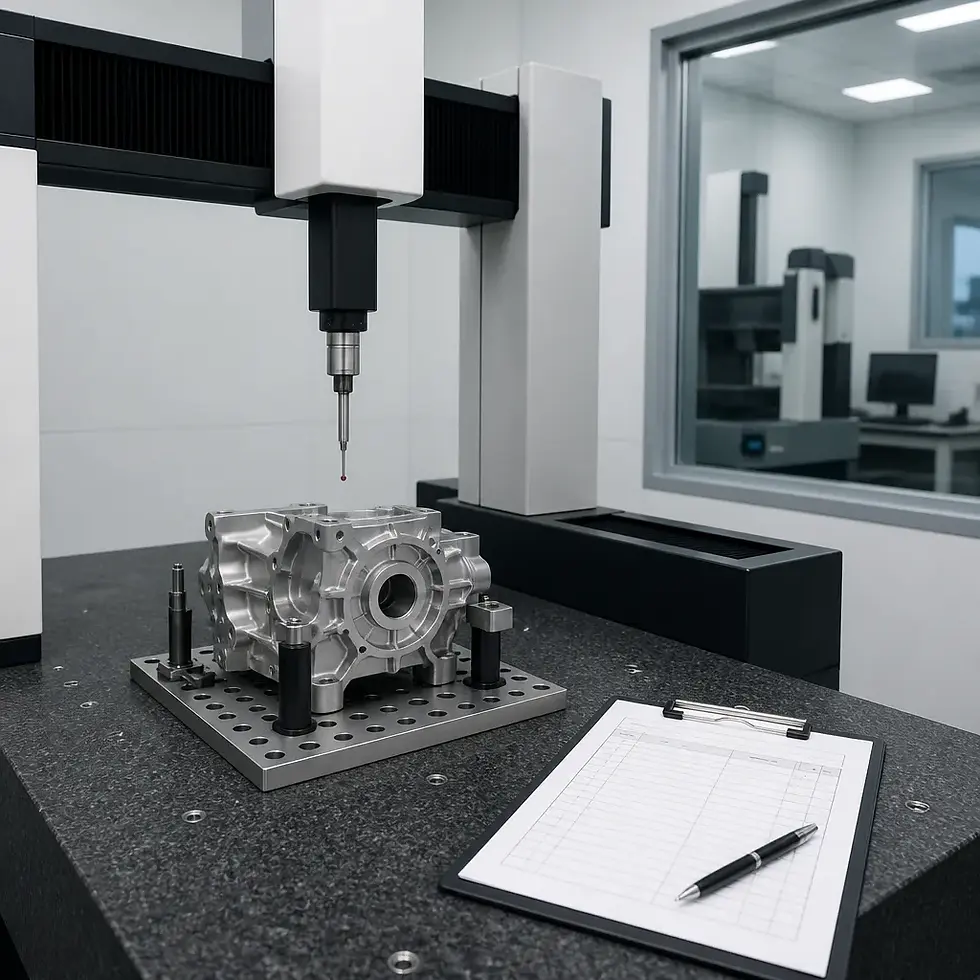
Many shops post a vague opening for "manufacturing help" and then wonder why applicants do not stay. A better approach is one clearly defined entry role, such as CMM inspector trainee or manual lathe operator, with a written path to the next level. Specific roles let veterans judge quickly whether the job fits their experience.
Translate military experience into shop terms
A resume that lists a logistics or maintenance role will not mean much to a hiring manager who does not know what to look for. Interview for the habits underneath the job title: how the candidate records information, how they respond to a checklist, and how they handle a problem with no clear owner. Those answers predict performance on a machine better than a list of previous duties.
Keep the first ninety days structured
New hires need a written 90-day plan with named trainers, measurable skills, and a check-in schedule. Veterans who have already been through structured training tend to expect this, and they notice quickly when a shop does not have one. Unstructured onboarding loses people in any trade, but it is especially costly in precision work, where one mistake can scrap an expensive blank.
Comparing Hiring Approaches for Veteran Machinists
Shops usually choose one of three routes when they want more veteran talent. Each has its own cost profile and failure mode, and the right choice depends on how much machining experience your open roles require. The table below compares them based on what we have seen work and fail in our own hiring and training.
Approach | Where It Works | Where It Breaks Down |
|---|---|---|
Direct hire of experienced veterans into inspection or setup roles | Fast ramp when the role matches prior work, such as maintenance or quality documentation | Poor fit when the job needs machining experience the candidate does not have, and pay bands may not match their background |
Structured apprenticeship with a written training plan | Builds long-term machinists and gives veterans a clear progression | Slow to produce output, and it fails if no one owns the training schedule |
Cross-training current staff into CMM or programming roles | Low hiring cost and keeps institutional knowledge in-house | Leaves gaps on the floor and stalls when the trainer is also the busiest machinist |
In our view, the apprenticeship route is the strongest option for most small and mid-sized shops, but only if someone is accountable for the schedule. Direct hiring works best when you can show a candidate exactly how current skills map onto a specific machine or inspection station.
Veterans who left service with technical credentials sometimes find that civilian offers do not recognize those credentials. Be transparent about the pay band and the path to a raise. A vague offer is the fastest way to lose a candidate to another employer.
Quality Culture and Military Discipline
Military discipline and quality culture are often described in similar language, but they are not the same thing. Discipline means following the procedure. Quality culture means making sure the procedure is correct and that anyone on the floor can stop the line when it is not. Shops that get the most from veteran employees tend to build both.
Discipline without permission to question the procedure produces consistent mistakes. Quality needs people who follow the process and people who are allowed to improve it.
Why documentation habits matter
Good documentation is a form of respect for the next person who touches the part. A setup sheet that says "adjusted offset" with no value is useless to the second shift. Veterans who have worked in logistics or maintenance often understand this right away, because they have seen what happens when a handoff is incomplete.
Where the comparison breaks down
It would be a mistake to assume every veteran thinks like a soldier on the shop floor, or that a veteran's habits will fix a broken process. Some people become rigid when a machine or drawing does not match the procedure they learned. Good supervisors test for flexibility as well as discipline, and they make it safe to report a bad procedure instead of working around it.
Practical Steps for Shops This Veterans Day
Veterans Day is a good deadline for making a few changes that will still matter in the spring. The steps below are small enough to finish this week and specific enough to measure later. None of them requires a new budget line.
Recognition that costs little
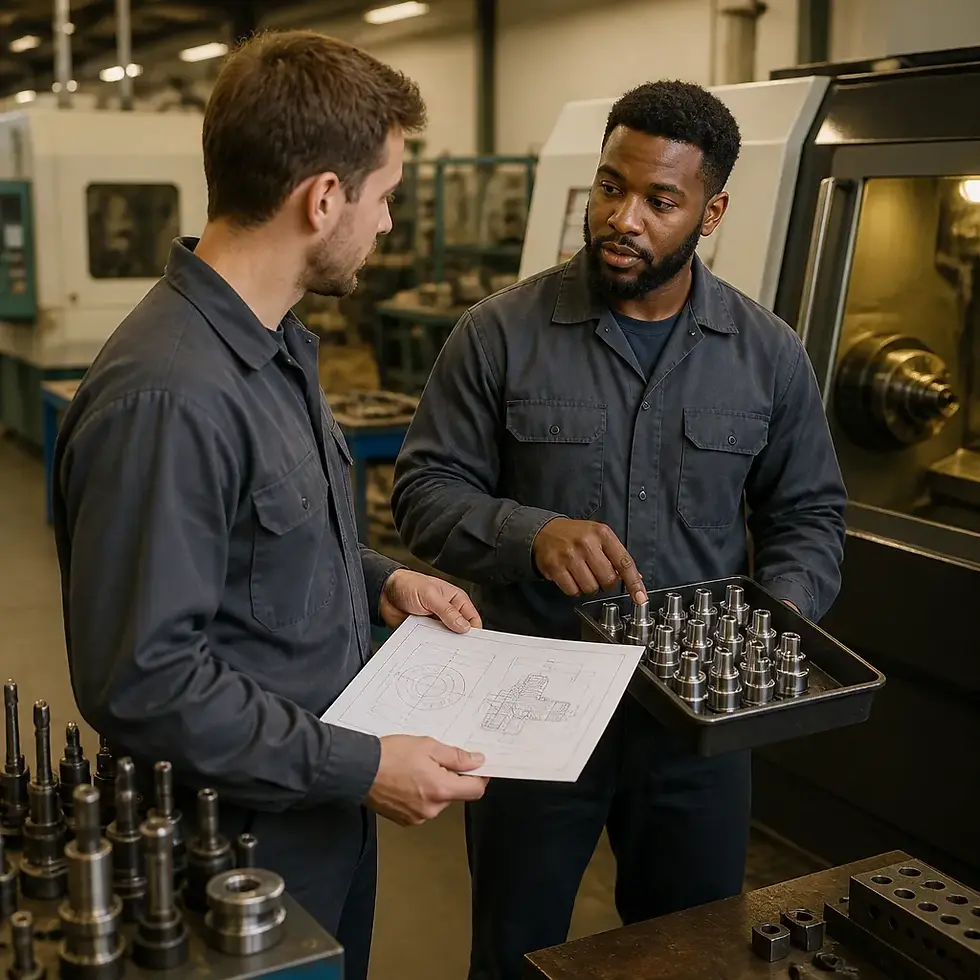
Ask the veterans on your team what kind of recognition they want, then do it. Some want a brief mention at the shift meeting, while others would rather have a quiet thank-you and a schedule that works for them. Avoid public praise that makes someone the face of a holiday they did not ask to be part of.
Measure retention and scrap
Track how long veteran hires stay, how many first-year employees complete their training plan, and how scrap rates change during onboarding. Those numbers show whether the program works, and they give leadership something concrete to review. If you cannot measure it, you will not know whether to keep it.
Review your open roles
Look at each open posting and remove requirements that are not needed on day one. Years-of-experience requirements often screen out capable candidates who would need only a few months of training. Replace them with the specific skills you will test in the interview.
Pro tip: Before posting a role, have a current machinist read the job description out loud and cut any line you cannot demonstrate in an interview. The requirements that survive are the ones worth recruiting for.
Frequently Asked Questions
Why is Veterans Day always on November 11?
Veterans Day has been observed on November 11 since 1978, after a 1975 law returned the observance to that date. A 1968 law had moved it to Mondays, but the first Monday observance in 1971 caused much confusion, so the date was restored. The day marks the armistice that took effect at the eleventh hour of November 11, 1918.
Does Veterans Day fall on a weekday in 2026?
Yes. In 2026, Veterans Day falls on Wednesday, November 11, so most manufacturers will need to plan around a mid-week shift rather than a Monday holiday. Post your holiday coverage plan early so inspection and first article holds are not left uncovered.
What skills do veterans bring to precision machining?
Veterans often bring strong procedure discipline, comfort with maintenance logs and checklists, and experience working under accountability. Those habits support gauge work, setup verification, and documentation. Technical machining skills still need to be trained, and the amount of training depends on the role.
How does defense industrial base work affect a small machine shop?
Defense work usually requires stricter traceability, controlled documentation, and repeatable inspection records. A small shop has to show that every release matches the drawing and that every inspection can be found later. Those requirements make record-keeping skills more valuable than they are on commercial work alone.
What is the first step for a shop that wants to hire more veterans?
Start with one defined entry role and a written training plan. Review the job description to remove requirements that do not affect day-one performance, then interview for habits such as documentation and checklist discipline. Track retention and scrap so you know whether the approach is working.
We want to hear from you: what has your shop learned from hiring or training veterans, and what would you change next time?


Comments